
Most people assume workspace furniture is purely functional, but that overlooks how the right pieces can transform both aesthetics and productivity. Luxury handcrafted furniture using organic materials brings natural beauty, sustainability, and elevated design to any workspace. Whether you're a homeowner creating a home office or an interior designer curating a client's professional environment, understanding how furniture shapes your space is essential. This article explores the multifaceted role of workspace furniture, the benefits of organic materials like teak and rattan, design principles that enhance both beauty and function, and practical tips to integrate luxury pieces seamlessly.
Table of Contents
- Key Takeaways
- Understanding the multifaceted role of furniture in workspace design
- The benefits of organic materials in luxury workspace furniture
- How furniture design influences workspace aesthetics and functionality
- Practical tips for integrating luxury handcrafted furniture in your workspace
- Shop luxury handcrafted furniture to elevate your workspace
- FAQ
Key Takeaways
| Point | Details |
|---|---|
| Ergonomic design matters | A well crafted luxury piece provides ergonomic support without sacrificing visual harmony. |
| Integrated storage boosts efficiency | Premium pieces organize tools and work surfaces to improve workflow and comfort. |
| Organic materials add character | Teak and rattan bring warmth, durability, and a natural aesthetic that ages beautifully. |
| Aging gracefully adds value | Teak develops a rich patina and rattan gains character with use. |
Understanding the multifaceted role of furniture in workspace design
Furniture in a workspace serves far more than basic utility. It defines the ergonomic foundation that supports your body during long work sessions, organizes tools and materials for efficiency, and establishes the visual language of your environment. Workspace furniture influences productivity, comfort, and visual appeal when thoughtfully chosen, making it a cornerstone of both function and style.
Handcrafted pieces elevate this foundation by introducing unique aesthetic value and exceptional craftsmanship. Unlike mass-produced alternatives, luxury furniture showcases the artisan's attention to detail, from joinery techniques to finishing touches. Organic materials bring warmth, sustainability, and texture that synthetic options simply cannot replicate. A handcrafted teak desk or rattan chair becomes a statement piece that anchors your workspace while serving practical needs.
Balancing function with elevated design elements is crucial for premium spaces. You need ergonomic support that doesn't compromise on visual harmony. Consider these key functions luxury furniture fulfills:
- Ergonomic support through carefully designed proportions and angles
- Organizational efficiency with integrated storage and surface planning
- Aesthetic cohesion that ties together your workspace's visual theme
- Tactile quality that makes daily interactions more pleasant
- Emotional impact through craftsmanship that inspires creativity
Pro Tip: Invest in luxury furniture materials that age beautifully rather than deteriorate. Teak develops a rich patina over time, while rattan gains character with gentle use, making your workspace more distinguished as years pass.
The distinction between functional and luxury furniture lies in how pieces make you feel. A generic desk holds your laptop. A handcrafted piece with organic materials transforms your relationship with work, creating an environment where you want to spend time. This psychological shift directly impacts productivity and creative output.
The benefits of organic materials in luxury workspace furniture
Organic materials such as teak and mango wood provide superior durability and natural beauty ideal for luxury furnishings. Understanding the distinctions between these materials helps you make informed choices for your workspace.
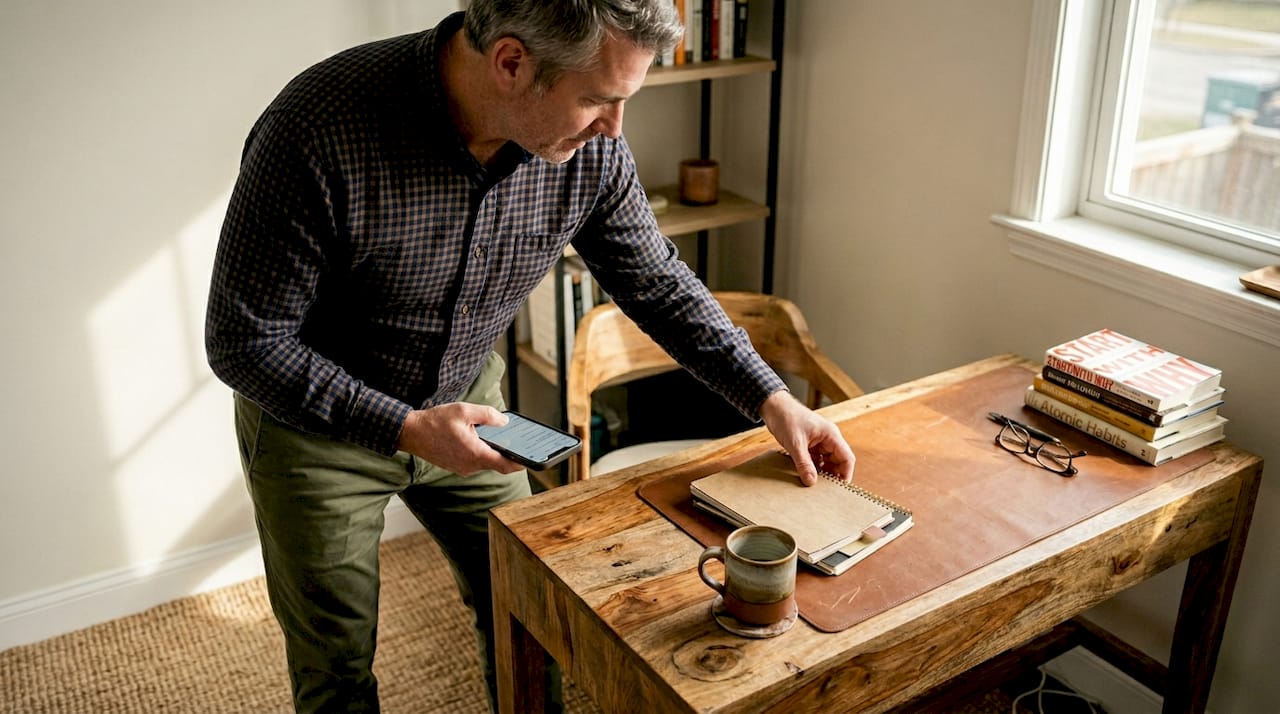
Teak stands as the gold standard for outdoor and high-use furniture due to its natural oils that resist moisture, insects, and decay. This tropical hardwood maintains structural integrity for decades with minimal maintenance. Mango wood offers comparable beauty at a more accessible price point, with warm golden tones and interesting grain patterns. While slightly less weather-resistant than teak, mango wood excels in indoor applications where its sustainability credentials shine, as it's harvested from fruit-bearing trees at the end of their productive cycle.
| Material | Durability Rating | Aesthetic Character | Best Use Case | Sustainability |
|---|---|---|---|---|
| Teak | Exceptional | Rich honey tones, straight grain | High-traffic areas, outdoor | Renewable with proper forestry |
| Mango Wood | Very Good | Warm golden hues, varied grain | Indoor furniture, decorative pieces | Excellent, uses retired fruit trees |
| Rattan | Good | Natural texture, light color | Accent pieces, seating | Highly renewable, fast-growing |
| Bamboo | Good | Clean lines, pale finish | Modern minimalist designs | Outstanding, grass not wood |
Rattan and bamboo bring textural appeal that softens workspace aesthetics while maintaining structural strength. Rattan's woven patterns create visual interest and allow air circulation in seating, making it ideal for comfort during long work sessions. Bamboo's rapid growth cycle and strength-to-weight ratio make it an environmentally conscious choice that doesn't sacrifice performance.
Maintaining organic material furniture requires simple but consistent care:
- Dust weekly with a soft, dry cloth to prevent buildup
- Clean spills immediately with a barely damp cloth, then dry thoroughly
- Apply appropriate wood oil or wax annually to nourish and protect
- Keep pieces away from direct heat sources and extreme temperature fluctuations
- Use coasters and desk pads to prevent water rings and scratches
Pro Tip: Research best wood for furniture options before purchasing to match material properties with your specific workspace conditions. A humid climate favors teak, while controlled indoor environments suit mango wood beautifully.
Organic materials elevate workspace atmosphere by introducing natural elements that reduce stress and enhance focus. The visual warmth of wood grain and the tactile pleasure of smooth, hand-finished surfaces create a sensory experience that sterile office furniture cannot match. This biophilic design approach connects your indoor workspace with nature, fostering well-being and creativity.
How furniture design influences workspace aesthetics and functionality
Ergonomically designed luxury furniture harmonizes form and function, improving well-being and efficiency. The relationship between beauty and usability defines successful workspace design, where each piece must justify its presence through both visual contribution and practical performance.
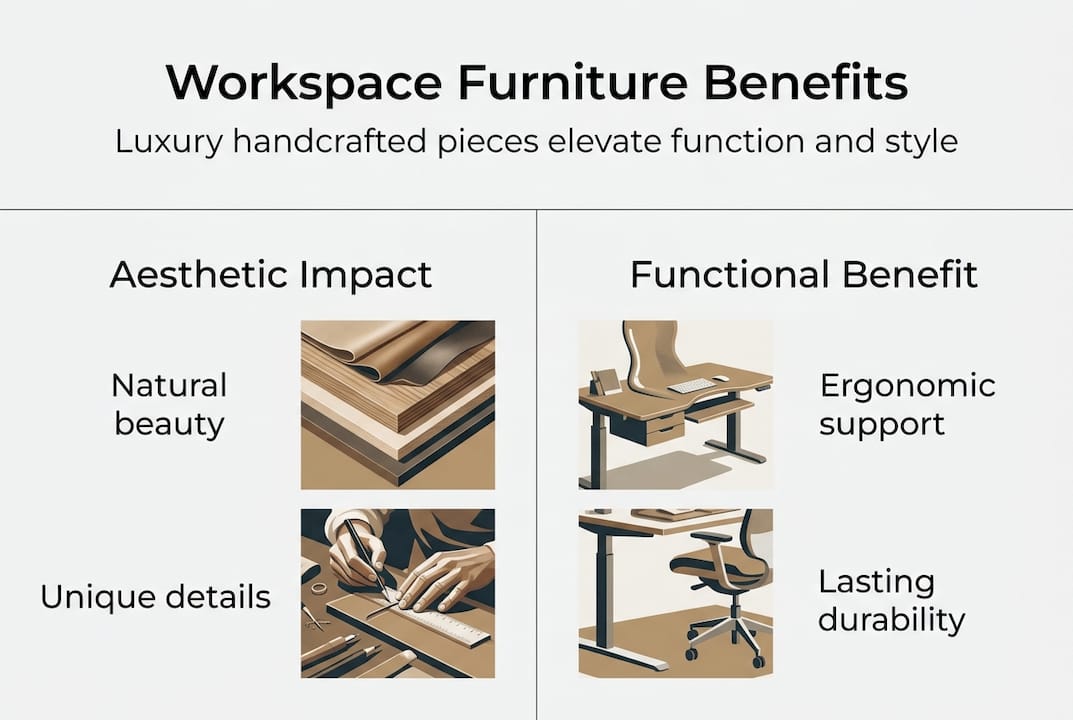
Ergonomics in luxury furniture goes beyond adjustable heights and lumbar support. It encompasses proportions that feel natural to your body, surface heights that reduce strain, and spatial relationships that encourage healthy posture. A handcrafted desk at the proper height prevents shoulder tension. A chair with the right seat depth and back angle supports your spine without sacrificing aesthetic elegance. These elements work together to create a workspace where comfort enhances rather than compromises design.
Consistency with overall workspace style and color schemes ensures visual harmony. Your furniture should reinforce your chosen aesthetic, whether coastal, Nordic, bohemian, or contemporary. Consider these integration principles:
- Match wood tones across major pieces or create intentional contrast with complementary shades
- Repeat materials and textures in different furniture types to establish visual rhythm
- Balance organic and geometric forms to prevent monotony while maintaining cohesion
- Coordinate metal finishes in hardware, lighting, and furniture accents
- Scale furniture proportions to room dimensions, avoiding pieces that overwhelm or underwhelm the space
Spatial arrangements that maximize usability and flow require strategic planning. Position your primary work surface to capture natural light without glare. Place storage within arm's reach to minimize disruption during focused work. Create clear pathways that allow easy movement without navigating obstacles. These functional considerations shape the physical layout that supports your daily workflow.
Key furniture types that improve both productivity and appearance include:
- Executive desks with integrated storage that eliminate clutter while showcasing craftsmanship
- Ergonomic task chairs upholstered in natural fibers that provide comfort and visual warmth
- Credenzas and consoles that organize supplies while serving as display surfaces for curated objects
- Side tables positioned for convenience during calls or breaks without disrupting primary work zones
- Bookcases and shelving that frame the space vertically while providing functional storage
| Design Element | Aesthetic Impact | Functional Benefit | Integration Tip |
|---|---|---|---|
| Natural wood grain | Adds organic warmth and visual interest | Creates calming environment | Choose consistent or complementary wood species |
| Woven textures | Introduces tactile dimension and softness | Improves acoustic properties | Layer in seating, lighting, and accessories |
| Clean lines | Establishes modern sophistication | Simplifies cleaning and maintenance | Balance with curved elements to avoid sterility |
| Handcrafted details | Showcases artisanship and uniqueness | Becomes conversation piece | Feature prominently in high-visibility areas |
Lighting, storage, and accessories integration completes the workspace design. Pendant lights or table lamps with natural materials echo furniture choices while providing task illumination. Open shelving displays decorative objects that personalize the space without creating visual clutter. Woven baskets and wooden organizers maintain the organic aesthetic while corralling necessary supplies. Each element should feel intentional, contributing to both the functional ecosystem and the visual narrative of your workspace.
Pro Tip: Use side table placement strategies to create functional zones within your workspace. A small table beside your desk holds beverages and reference materials, while another near seating creates a casual meeting area without requiring additional square footage.
Practical tips for integrating luxury handcrafted furniture in your workspace
Proper furniture placement and selection enhance both functionality and luxury feel in a workspace. Moving from theory to application requires specific strategies that translate design principles into tangible results.
Choosing pieces that blend style and ergonomic support starts with honest assessment of your work habits. If you spend hours at your desk, invest in a chair with exceptional lumbar support upholstered in breathable natural fabric. If you frequently reference physical documents, select a desk with sufficient surface area and integrated file storage. Beauty matters, but functionality determines whether you'll actually use and appreciate the piece long-term.
Balancing workspace elements and decluttering creates breathing room for luxury furniture to shine. Remove unnecessary items that compete for visual attention. Adopt the principle that every object should earn its place through utility or beauty, ideally both. This curation allows handcrafted pieces to become focal points rather than getting lost in visual noise.
Practical integration strategies include:
- Start with one statement piece like a handcrafted desk or credenza, then build around it
- Maintain clear surfaces by storing supplies in closed cabinets or decorative boxes
- Group small items on trays to contain visual clutter while keeping necessities accessible
- Rotate decorative accessories seasonally to refresh the space without major changes
- Position furniture to define distinct zones for focused work, meetings, and relaxation
- Leave adequate clearance around pieces so their design details remain visible and appreciated
Using lighting and accessories to complement handcrafted furniture amplifies their impact. Natural light remains ideal, so position desks perpendicular to windows when possible. Layer ambient, task, and accent lighting to create flexibility for different activities and times of day. Choose lamp bases in materials that echo your furniture, like turned wood or woven rattan, to reinforce the organic aesthetic.
Maintaining luxury furniture's longevity through care preserves your investment and keeps pieces looking pristine. Establish a weekly dusting routine using microfiber cloths that won't scratch delicate finishes. Address spills immediately to prevent staining or water damage. Apply appropriate conditioners or oils based on manufacturer recommendations, typically once or twice yearly. This minimal maintenance ensures your furniture develops a beautiful patina rather than showing neglect.
Common pitfalls in workspace furniture design to avoid:
- Prioritizing aesthetics over ergonomics, leading to physical discomfort and reduced productivity
- Overcrowding the space with too many statement pieces that compete rather than complement
- Neglecting proper measurements, resulting in furniture that doesn't fit or blocks circulation
- Mixing too many wood tones without a unifying element, creating visual chaos
- Ignoring lighting needs until after furniture placement, forcing awkward lamp positions
- Choosing trendy pieces over timeless designs, requiring frequent costly updates
Pro Tip: Reference console table placement principles when adding secondary surfaces to your workspace. A console behind your desk chair can hold reference books and display objects without interfering with primary work activities, while one along a wall creates a landing zone for incoming materials.
The goal is creating a workspace where luxury and functionality feel inseparable. When you sit down to work, the environment should support your tasks while inspiring you through its beauty. This balance doesn't happen accidentally. It requires intentional choices about what enters your space and how pieces relate to each other and to you.
Shop luxury handcrafted furniture to elevate your workspace
Transforming your workspace from functional to exceptional requires furniture that embodies both artistry and utility. Laiya Home specializes in luxury handcrafted furniture using organic materials that bring the principles discussed in this article to life. Our collection features pieces crafted from teak, mango wood, rattan, and other natural materials, each selected for durability and timeless aesthetic appeal.
Our selection includes elegant tables perfect for workspace applications, from executive desks to side tables that add functional beauty. The Saint Croix dining table demonstrates how substantial craftsmanship translates to workspace furniture, with its solid construction and refined presence. Lighting options like the Bozelo pendant in natural materials complement handcrafted furniture while providing essential task illumination. Each piece combines aesthetics with ergonomic and sustainable design, offering the ideal next step for readers ready to enhance their workspace with furniture that performs as beautifully as it looks.
FAQ
What is the best material for luxury workspace furniture?
Teak and mango wood are top choices for luxury workspace furniture due to durability and beauty. Teak offers exceptional longevity and natural resistance to moisture, making it ideal for high-use environments. Mango wood provides comparable aesthetic appeal with excellent sustainability credentials at a more accessible price point. Rattan and bamboo offer natural texture with sustainability, introducing organic elements that soften workspace aesthetics while maintaining structural integrity. The best choice depends on your specific needs, climate conditions, and design preferences.
How can handcrafted furniture improve workspace productivity?
Ergonomic design reduces fatigue and improves comfort during extended work sessions, allowing you to maintain focus without physical distraction. Handcrafted furniture typically features superior proportions and attention to human factors that mass-produced alternatives overlook. Unique craftsmanship fosters an inspiring atmosphere that elevates your daily experience, transforming routine tasks into opportunities to engage with beautiful objects. This psychological shift creates positive associations with your workspace, making you more likely to enter a productive flow state. Quality furniture also eliminates the frustrations of wobbly surfaces or uncomfortable seating that interrupt concentration.
What are tips for maintaining organic luxury furniture?
Regular dusting and gentle cleaning recommended to preserve the natural beauty of organic materials. Use soft, dry cloths weekly to prevent dust buildup that can dull finishes over time. When deeper cleaning becomes necessary, use barely damp cloths and dry immediately to prevent water damage. Avoid excessive moisture and direct sunlight exposure, as these accelerate wear and can cause warping, fading, or cracking. Apply appropriate wood conditioners or oils annually based on your specific material to nourish the wood and maintain its protective finish. Simple preventive care ensures your luxury furniture remains beautiful for decades.