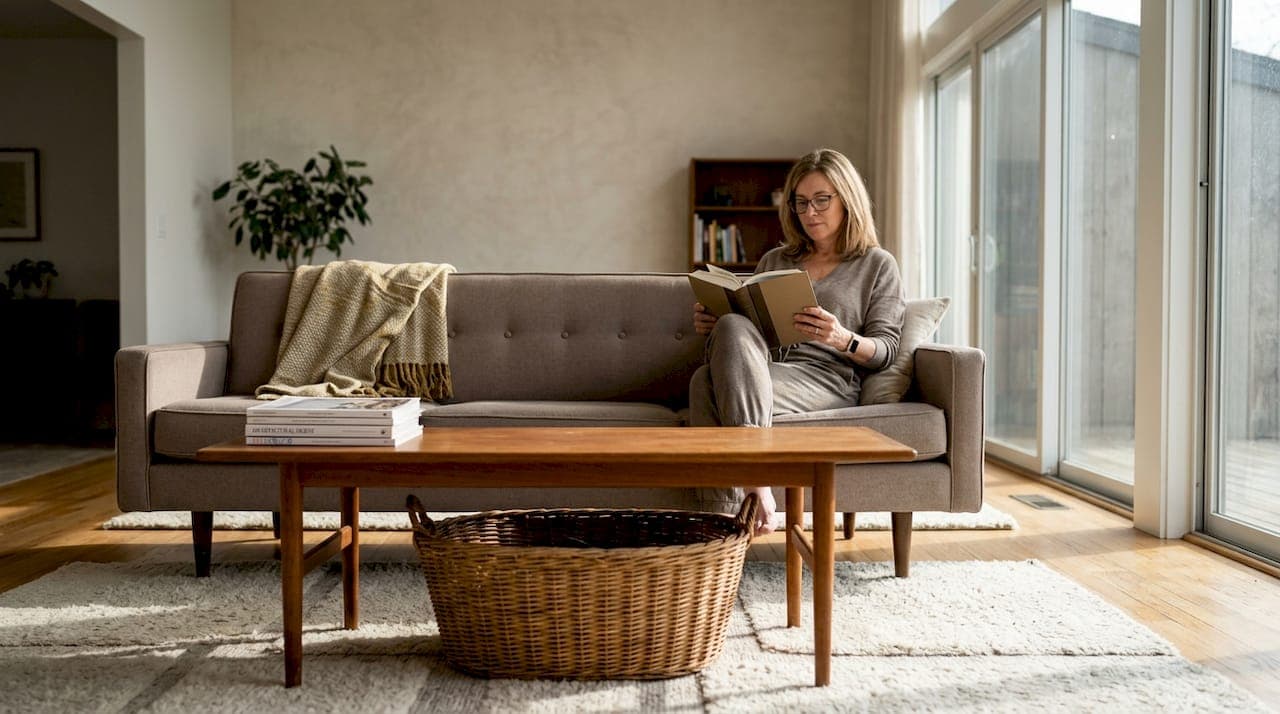
Selecting luxury home décor that balances uniqueness, sustainability, and timeless design presents a genuine challenge for affluent homeowners and interior designers. The market overflows with options, yet finding pieces that combine handcrafted authenticity with organic materials and enduring style requires careful consideration. This comprehensive guide walks you through the essential steps to confidently choose décor that adds lasting elegance to your space, from understanding materials and craftsmanship to implementing proven design principles that ensure your investment maintains both beauty and value for decades.
Table of Contents
- Key Takeaways
- Preparing to choose luxury home décor: understanding materials and craftsmanship
- Executing your design vision: applying the 80/20 rule with timeless and trendy décor
- Verifying your choices: enhancing organic luxury décor through texture and lighting
- Discover handcrafted luxury décor curated for your home
- Frequently asked questions about choosing luxury home décor
Key Takeaways
| Point | Details |
|---|---|
| Durable materials | Choose teak, honed stone, and quality rattan to form a long lasting foundation that ages gracefully. |
| Provenance and certifications | Verify artisan provenance and FSC certification to ensure sustainable sourcing and maintain resale value. |
| 80/20 rule | Apply the 80/20 approach by dedicating most of the budget to timeless foundations and reserving a portion for trend driven accents. |
| Texture and lighting | Layer textures and ambient lighting to create a rich organic ambiance without over accessorizing. |
Preparing to choose luxury home décor: understanding materials and craftsmanship
Before selecting any luxury décor piece, you need foundational knowledge about materials and craftsmanship that separates authentic luxury from mass-produced alternatives. Organic materials like teak, rattan, and sustainably harvested wood form the backbone of timeless luxury interiors because they age beautifully rather than deteriorate. Understanding these materials transforms your purchasing decisions from aesthetic choices into strategic investments.
Verifying artisan provenance and certifications ensures both sustainability and investment liquidity in luxury markets. FSC certification guarantees responsible forest management, while low-VOC finishes protect indoor air quality without compromising the natural beauty of wood and woven materials. These credentials matter because they authenticate your investment and maintain resale value in discerning luxury markets.
Durable materials designed for longevity should guide your selection process. Teak naturally resists moisture and insects through its high oil content, making it ideal for both indoor and outdoor applications. Honed stone surfaces develop character over time rather than showing wear, while quality rattan maintains structural integrity for generations when properly maintained. Our luxury furniture materials guide provides detailed specifications for evaluating material quality.
Craftsmanship level directly impacts both aesthetic appeal and functional durability. Handcrafted pieces feature joinery techniques like mortise and tenon construction that outlast glued or stapled alternatives. Examine finish quality by checking for smooth, even surfaces and consistent grain patterns that indicate skilled workmanship. Artisan-made furniture often includes subtle variations that prove authenticity rather than machine precision.
Material care knowledge extends your investment's lifespan significantly. Different organic materials require specific maintenance approaches:
- Teak furniture needs occasional cleaning with mild soap and water, developing a silver patina naturally or maintaining honey tones with teak oil
- Rattan pieces benefit from regular dusting and occasional wiping with damp cloths to prevent drying
- Woven textiles require gentle vacuuming and spot cleaning to preserve fiber integrity
- Stone surfaces need pH-neutral cleaners to avoid etching or discoloration
Our teak and rattan care guide offers detailed maintenance schedules tailored to each material type.
Pro Tip: Request material samples before purchasing major pieces. Touch, smell, and examine the weight and texture to verify quality claims. Authentic teak feels dense and slightly oily, while genuine rattan flexes without cracking.
Investing time in material education pays dividends throughout your décor journey. Visit our materials and guides section to deepen your understanding of how different organic materials perform in various environments and design contexts.
Executing your design vision: applying the 80/20 rule with timeless and trendy décor
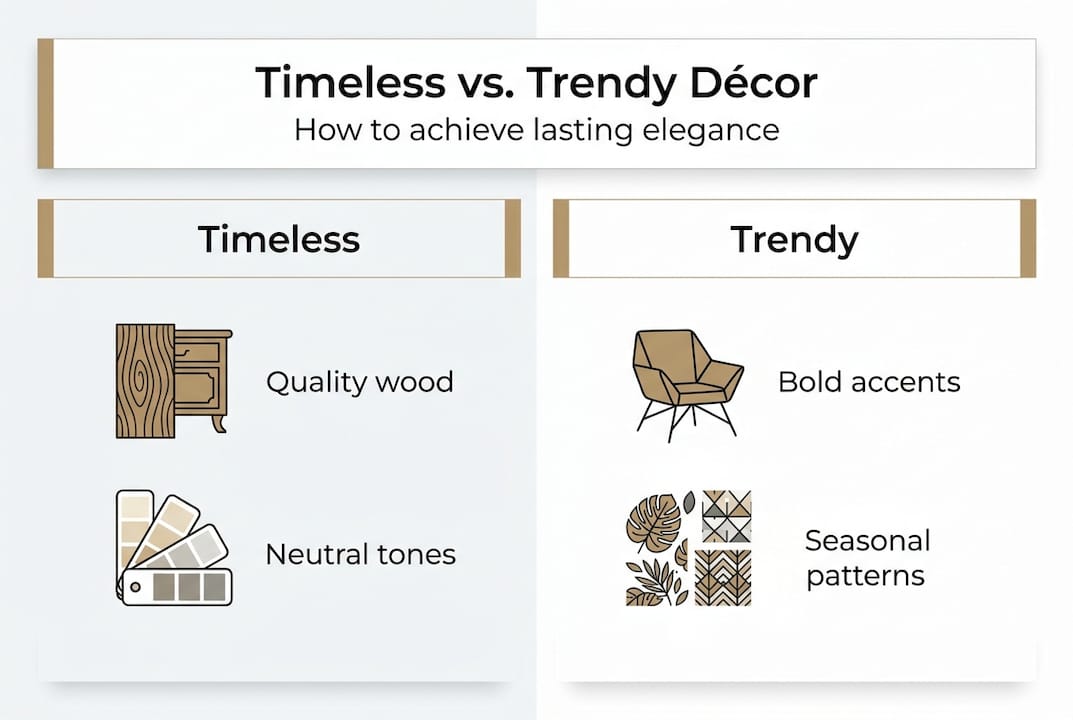
Once you understand materials, implementing the 80/20 design rule creates interiors that remain current without requiring constant updates. This principle allocates 80% of your budget and space to timeless foundations like neutral stone floors, quality wood furniture, and classic silhouettes, while reserving 20% for trendy accents that inject personality and freshness.
Timeless foundational pieces anchor your design with enduring appeal. These elements typically include:
- Neutral flooring in natural stone, hardwood, or honed concrete that complements any style evolution
- Statement furniture with clean lines and organic materials that transcend seasonal trends
- Architectural lighting fixtures in brass, bronze, or matte black that maintain relevance across decades
- Window treatments in natural fibers like linen or cotton that provide texture without dating
These investments form the permanent framework of your space, allowing flexibility in how you accessorize and personalize over time. Our luxury side table guide demonstrates how classic furniture forms adapt to changing décor preferences.
Trendy accents occupy the remaining 20%, offering opportunities for bold expression without long-term commitment. Consider these easily changeable elements:
- Artwork and wall décor reflecting current aesthetic movements
- Throw pillows and blankets in seasonal colors or patterns
- Decorative objects like vases, bowls, and sculptural pieces
- Area rugs that define spaces while allowing style updates
This approach prevents the costly mistake of building entire rooms around fleeting trends. When maximalist patterns fade or specific color palettes lose appeal, you refresh accessories rather than replacing foundational furniture.
| Element Type | Investment Level | Replacement Frequency | Style Approach |
|---|---|---|---|
| Foundational furniture | High | 15-25 years | Timeless, neutral |
| Architectural finishes | High | 20-30 years | Classic materials |
| Lighting fixtures | Medium to high | 10-20 years | Quality over trend |
| Textile accents | Low to medium | 2-5 years | Trendy, seasonal |
| Decorative objects | Low | 1-3 years | Bold, expressive |
Mixing styles within this framework creates layered, collected interiors that tell your story. A mid-century modern sofa pairs beautifully with coastal rattan accents and Nordic minimalist lighting when unified by natural materials and organic forms. Browse our luxury furniture and decor collection to see how different styles harmonize through material consistency.
Pro Tip: Photograph your space before adding trendy elements. This baseline image helps you evaluate whether new accents enhance or overwhelm your timeless foundation, maintaining design balance.
Seasonal rotation keeps interiors fresh without additional purchases. Store off-season accessories and rotate them quarterly, creating the illusion of new décor while maximizing existing investments. Our feng shui home design guide offers additional strategies for energizing spaces through intentional placement and rotation.
Prioritizing quality in key anchor pieces ensures your 80% foundation withstands both physical wear and style evolution. A well-crafted dining table or statement sideboard becomes an heirloom rather than a disposable item, justifying higher initial investment through decades of service.
Verifying your choices: enhancing organic luxury décor through texture and lighting
After establishing your design foundation, texture layering and lighting strategy elevate organic luxury décor from attractive to extraordinary. Contrasting textures like rough stone paired with soft linen create sensory depth that engages touch and sight simultaneously, making spaces feel curated rather than decorated.
Texture combinations should follow a deliberate pattern of rough, smooth, soft, and hard elements. Consider these proven pairings:
- Chunky woven baskets against smooth plaster walls
- Nubby linen upholstery on sleek wooden frames
- Polished stone surfaces beside raw-edge wood tables
- Soft sheepskin throws over structured rattan chairs
These contrasts prevent monotony while maintaining the organic aesthetic central to luxury design. Each texture tells part of your space's story, contributing to an overall narrative of thoughtful curation.
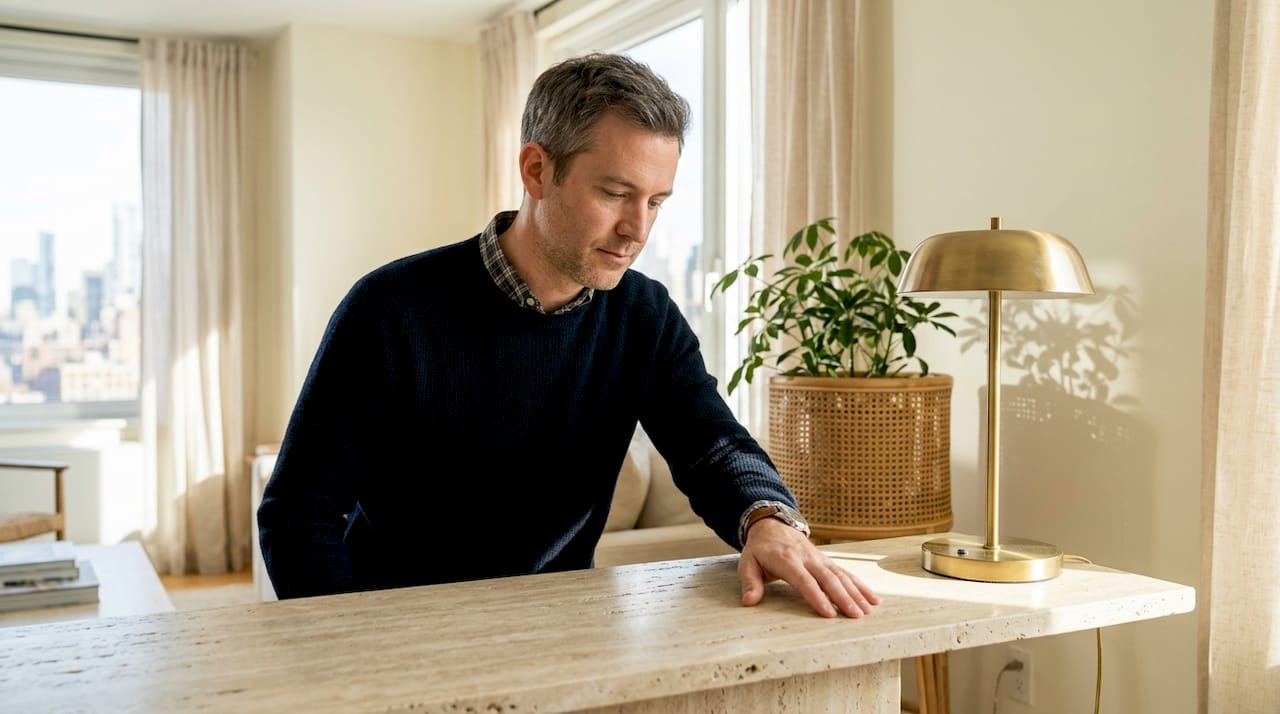
Ambient lighting transforms how natural materials appear throughout the day. Warm-toned LED fixtures enhance wood's honey tones and make woven textures appear richer. Position lighting to graze textured surfaces at angles, creating shadows that emphasize depth and craftsmanship. Dimmable systems allow you to adjust intensity based on activity and mood, maximizing versatility.
In high-traffic areas, choose durable materials like honed stone or sealed wood over delicate trends to prevent premature wear. Entryways, hallways, and family rooms demand surfaces that maintain beauty despite constant use. Honed finishes hide minor scratches better than polished alternatives, aging gracefully rather than showing damage.
Avoiding over-accessorizing preserves the minimalist sophistication essential to organic luxury. Apply the "less is more" principle by:
- Limiting coffee table accessories to 3-5 carefully chosen pieces
- Creating negative space that allows featured items to breathe
- Grouping similar objects in odd numbers for visual balance
- Rotating seasonal displays rather than accumulating permanent clutter
Our console table placement guide demonstrates how strategic styling creates impact without overcrowding.
| Texture Category | Material Examples | Lighting Recommendation | Maintenance Level |
|---|---|---|---|
| Rough/Natural | Raw wood, stone, concrete | Warm ambient, 2700K | Low, occasional sealing |
| Smooth/Polished | Lacquered wood, glass, metal | Adjustable spotlights | Medium, regular cleaning |
| Soft/Textile | Linen, cotton, wool, leather | Diffused overhead | Medium, periodic cleaning |
| Woven/Textured | Rattan, jute, seagrass | Grazing accent lights | Low, dusting only |
Light and texture interaction creates the organic ambiance that defines luxury interiors. Morning sunlight filtering through linen curtains onto a teak dining table produces entirely different effects than evening lamplight on the same surface. Design your lighting layers to accommodate these natural variations, using ambient, task, and accent lighting to highlight textures appropriately.
Pro Tip: Install lighting on separate circuits or smart controls, allowing you to activate only the layers needed for specific activities. This flexibility prevents over-lighting while maximizing the textural drama that makes organic luxury compelling.
Durability considerations extend beyond material selection to placement strategy. Position delicate woven pieces away from direct sunlight to prevent fading, while showcasing durable teak or stone in sun-exposed areas where they'll develop attractive patinas. Understanding how materials respond to environmental factors protects your investment. Learn more about material longevity in our guide on why teak furniture lasts for decades.
Verifying your texture and lighting choices requires living with them briefly before finalizing permanent installations. Arrange furniture and lighting temporarily, observing how they function during different times of day and various activities. This testing phase reveals practical issues before they become costly mistakes.
Discover handcrafted luxury décor curated for your home
Transforming these principles into reality starts with exploring pieces that embody organic luxury and timeless craftsmanship. Laiya Home curates an exclusive collection of luxury furniture and home decor handcrafted from premium natural materials like teak, rattan, and sustainably sourced wood. Each piece reflects the design philosophy outlined in this guide, combining durability with the warm, elevated aesthetic that defines truly distinctive interiors.
Our signature pieces exemplify the balance between timeless form and organic beauty. The Saint Croix dining table showcases premium teak construction with clean lines that anchor any dining space, while the Sarvatah natural basket demonstrates how functional storage becomes sculptural art through skilled weaving. These pieces represent investments in quality that appreciate rather than depreciate, maintaining relevance and beauty for generations.
Frequently asked questions about choosing luxury home décor
What certifications should I look for to ensure sustainable luxury décor?
Prioritize FSC certification for wood products, which guarantees responsible forest management and chain of custody verification. Look for low-VOC or zero-VOC finish certifications that protect indoor air quality while maintaining material beauty. These credentials authenticate sustainability claims and protect investment value in luxury markets where provenance matters.
How can I balance between trendy and timeless décor in my home?
Apply the 80/20 rule by investing 80% of your budget in timeless foundational pieces with neutral palettes and classic silhouettes, then allocating 20% to trendy accents like bold artwork or seasonal textiles. This approach allows style evolution without costly renovations. Replace accessories every few years while maintaining your quality foundation indefinitely.
What materials are best for high-traffic luxury home areas?
Choose honed stone, sealed hardwood, or quality teak for high-traffic zones because these materials hide minor scratches and develop attractive patinas rather than showing wear. Avoid delicate finishes like high-gloss lacquer or unsealed natural fibers in entryways and hallways. Durability and beauty coexist when you select materials engineered for their specific environments.
How do I maintain and care for organic luxury décor pieces?
Each material requires specific care approaches. Clean teak with mild soap and water, allowing natural patina development or applying teak oil for honey tones. Dust rattan regularly and wipe with damp cloths to prevent drying. Use pH-neutral cleaners on stone surfaces to avoid etching. Consult our luxury furniture materials guide for detailed maintenance schedules tailored to your specific pieces.
How do I verify the authenticity of handcrafted luxury furniture?
Examine joinery techniques for mortise and tenon construction rather than glued or stapled connections. Request provenance documentation showing artisan credentials and material sourcing. Authentic handcrafted pieces feature subtle variations in grain patterns and finish that prove human craftsmanship rather than machine precision. Weight and density also indicate quality, solid wood feels substantially heavier than veneered alternatives.
What role does lighting play in showcasing organic luxury décor?
Lighting dramatically affects how natural materials appear and feel in your space. Warm-toned ambient lighting at 2700K enhances wood's natural honey tones and enriches woven textures. Position accent lights to graze textured surfaces at angles, creating shadows that emphasize depth and craftsmanship. Install dimmable systems on separate circuits for flexibility, allowing you to highlight different textures based on time of day and activity.