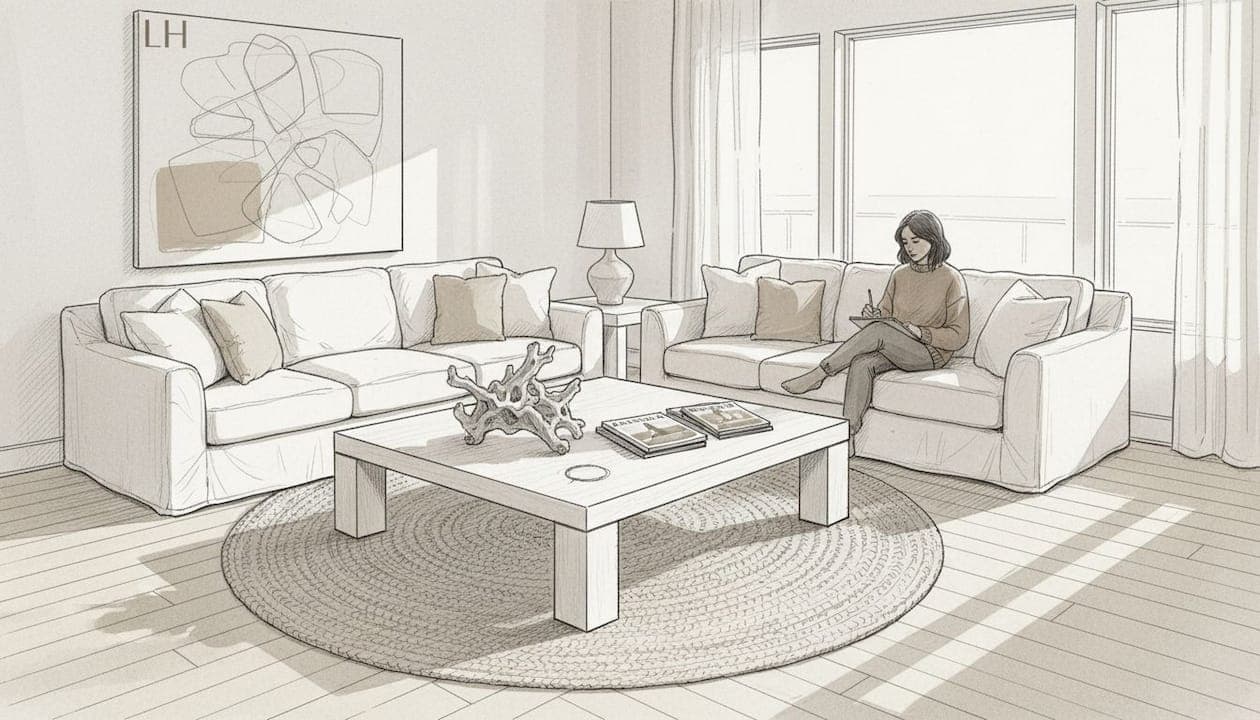
Choosing luxury furniture that genuinely reflects coastal and organic modern aesthetics requires more than browsing catalogues. You need pieces that harmonise natural materials, handcrafted quality, and sustainable design principles whilst complementing your upscale interior vision. This article presents a comprehensive criteria framework to evaluate bespoke furniture options, explores inspiring real-world examples showcasing teak, ash, and walnut craftsmanship, and guides you through actionable decision-making strategies to select pieces that elevate your space with timeless authenticity.
Table of Contents
- Key Takeaways
- Defining luxury furniture criteria for coastal and organic modern aesthetics
- Showcasing handcrafted luxury furniture examples for coastal and organic modern homes
- Comparing luxury furniture woods and finishes for sustainability and patina
- Deciding the best luxury furniture for your upscale coastal or organic modern space
- Discover bespoke luxury furniture collections at Laiya Home
- Frequently asked questions
Key Takeaways
| Point | Details |
|---|---|
| Sustainable woods | Coastal and organic modern aesthetics rely on woods such as teak, ash and walnut, with repairable construction. |
| Bespoke design advantage | Bespoke dimensions and tailored finishes allow furniture to align with your vision and function as integrated architectural elements. |
| Patina finishes | Oil and hardwax finishes enable natural patina development, adding character beyond mass produced pieces. |
| Repairability matters | Pieces designed for disassembly and component replacement outlast disposable units and support lasting luxury. |
Defining luxury furniture criteria for coastal and organic modern aesthetics
Selecting furniture for coastal and organic modern interiors demands careful evaluation across multiple dimensions. The most successful pieces balance visual appeal with practical longevity, using materials and construction methods that honour both your design vision and environmental responsibility.
Wood type forms the foundation of this assessment. Custom furniture for coastal homes uses woods like teak, ash and finishes that develop patina, with sustainable, repairable construction as essential criteria. Teak brings exceptional weather resistance and rich honey tones that deepen over time. Ash offers lighter hues with distinctive grain patterns that introduce organic texture. Walnut provides sophisticated dark tones and elegant figuring that anchors contemporary spaces. Each wood responds differently to coastal humidity and light exposure, making your selection crucial to long-term satisfaction.
Finish quality determines how your furniture ages. Oil and hardwax treatments protect timber whilst allowing natural patina development, creating surfaces that tell stories through gentle wear patterns. These finishes require periodic maintenance but reward you with deepening character that mass-produced alternatives cannot replicate. The luxury furniture materials guide at Laiya Home explains how different treatments interact with various wood species.
Craftsmanship reveals itself in joinery details, surface preparation, and structural integrity. Look for mortise-and-tenon joints rather than simple screws, hand-finished edges instead of machine-routed profiles, and solid timber construction rather than veneered composites. These elements ensure your investment maintains both beauty and function across decades.
Sustainability extends beyond marketing claims to verifiable sourcing practices. Seek furniture crafted from responsibly harvested timber with transparent supply chains. Repairability matters equally, as pieces designed for disassembly and component replacement outlast those built as disposable units. Understanding why teak furniture lasts for generations illustrates how material selection and construction philosophy intersect.
Customisation enables perfect alignment with your organic modern vision. Bespoke dimensions accommodate unusual room proportions, whilst tailored finishes match existing palettes. This personalisation transforms furniture from mere objects into integral architectural elements that enhance spatial flow and aesthetic coherence.
Pro Tip: Request samples of different wood species and finishes before committing to large pieces. Observing how materials respond to your specific lighting conditions prevents costly mismatches and ensures your selections achieve the desired ambience.
Showcasing handcrafted luxury furniture examples for coastal and organic modern homes
Real-world installations demonstrate how thoughtful material selection and bespoke design create transformative interiors. These examples illustrate principles in practice, offering tangible inspiration for your own furniture choices.
Jenni Kayne's Manhattan Beach home features white oak and travertine throughout, creating a refined coastal aesthetic that balances warmth with sophistication. The white oak dining table anchors the space with pale, subtly figured grain that reflects natural light whilst maintaining visual weight. Travertine accents introduce mineral texture that complements the timber's organic patterns. This pairing exemplifies how contrasting natural materials can harmonise when unified by a consistent tonal palette and commitment to authentic surfaces.
Wyndora's custom timber vanities showcase Mediterranean coastal influences through carefully selected Australian hardwoods. These pieces feature live-edge details that preserve the timber's natural contours, celebrating imperfection as a design asset rather than flaw. The vanities incorporate hand-rubbed oil finishes that protect against moisture whilst allowing the wood to breathe and develop character. Integrated stone basins create functional focal points that merge utility with sculptural presence.
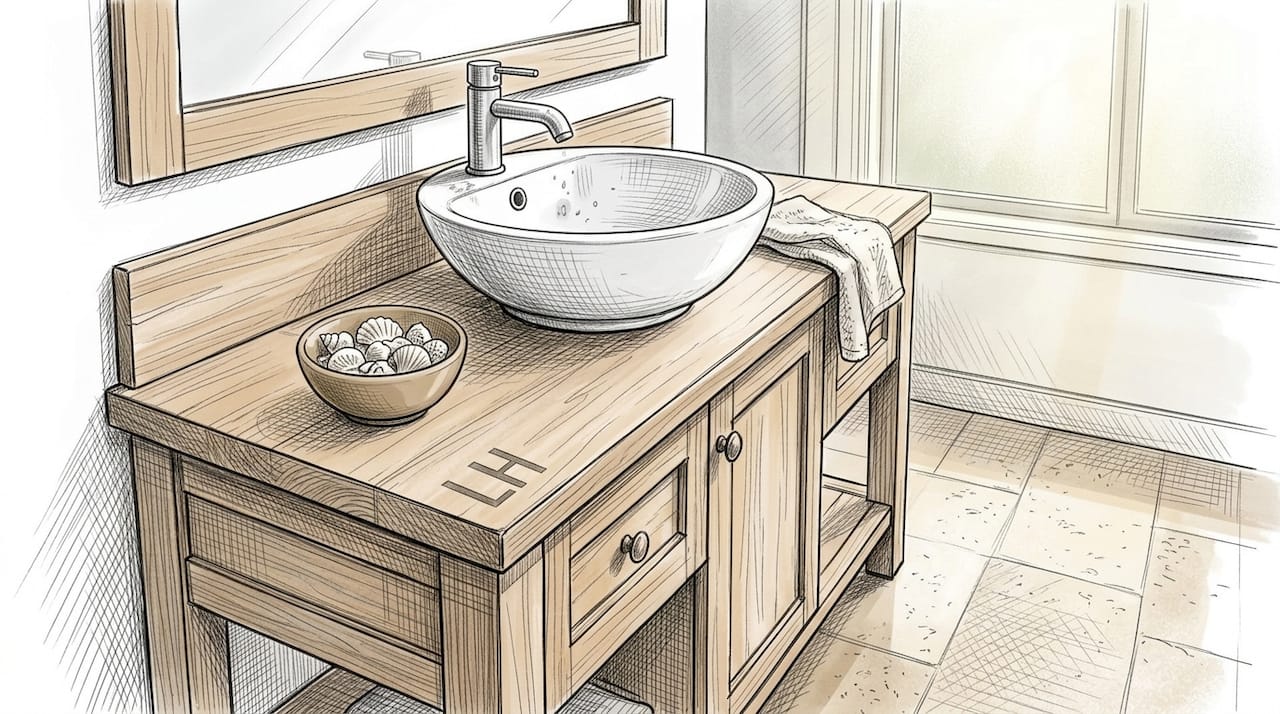
Both examples prioritise sustainable, handcrafted construction methods that ensure longevity. The furniture pieces employ traditional joinery techniques adapted for contemporary aesthetics, resulting in designs that feel simultaneously timeless and current. Materials are chosen specifically for their ability to complement patina development and organic textures, ensuring the furniture improves with age rather than deteriorating.
The Saint Croix dining table from Laiya Home demonstrates similar principles through its teak construction and clean-lined silhouette. The piece balances substantial presence with visual lightness, using proportions that suit both intimate gatherings and larger entertaining. Its natural finish highlights teak's inherent beauty whilst providing protection against daily use.
These examples share common threads: commitment to material authenticity, celebration of natural variation, and construction quality that supports multi-generational use. They prove that luxury in coastal and organic modern contexts stems from restraint and honesty rather than ornamentation or excess. The materials and guides section at Laiya Home explores these principles across different furniture categories and applications.
Comparing luxury furniture woods and finishes for sustainability and patina
Understanding how different woods and finishes perform helps you make informed selections aligned with your priorities. This comparison examines the most popular options for coastal and organic modern furniture.
| Wood type | Durability | Patina characteristics | Sustainability considerations | Best applications |
|---|---|---|---|---|
| Teak | Exceptional weather and moisture resistance | Develops rich silver-grey patina outdoors; deepens to warm amber indoors | Requires certified sustainable sourcing; slow-growing species | Dining tables, outdoor furniture, bathroom vanities |
| Ash | Moderate durability; benefits from protective finishes | Ages to warm honey tones; grain becomes more pronounced | Readily available from managed forests; faster-growing than teak | Chairs, shelving, lighter statement pieces |
| Walnut | Good durability with proper care; sensitive to moisture | Darkens gradually; develops lustrous depth | Sustainable when North American sourced; moderate growth rate | Console tables, bed frames, accent furniture |
| Mango wood | Moderate durability; requires quality finishing | Varies by finish; can develop rich patina with oil treatments | Highly sustainable; reclaimed from fruit orchards | Decorative pieces, side tables, smaller furniture |
Custom furniture uses woods like teak, ash, walnut with oil and hardwax finishes that develop patina over time. Teak stands apart for coastal applications due to its natural oil content, which repels moisture and resists decay without chemical treatments. This inherent durability makes it ideal for furniture exposed to humid conditions or transitional indoor-outdoor spaces. The teak durability guide details the scientific properties that enable this exceptional performance.
Ash provides lighter visual weight with distinctive grain patterns that introduce organic texture without overwhelming smaller spaces. Its pale tones suit Nordic-influenced organic modern schemes, whilst its workability allows for refined detailing in chair backs and table edges. However, ash requires more careful moisture management than teak, making finish selection critical for longevity.
Walnut delivers sophisticated dark tones that anchor contemporary interiors with gravitas. Its rich chocolate hues and elegant figuring create instant visual impact, though the wood demands protection from excessive moisture and direct sunlight. When properly maintained, walnut develops a lustrous patina that enhances its natural beauty.
Finish selection profoundly impacts both appearance and maintenance requirements. Oil finishes penetrate wood fibres to provide protection from within whilst allowing natural patina development. They require periodic reapplication but enable easy spot repairs. Hardwax oils combine penetrating oils with surface wax for enhanced protection and a subtle sheen. Both options support the authentic aesthetic central to organic modern and coastal styles, avoiding the artificial appearance of polyurethane or lacquer.
The wood types comparison at Laiya Home explores additional species and their specific characteristics for different furniture applications.
Pro Tip: Request information about the specific finish formulation used on your furniture. Natural oil-based products from reputable manufacturers ensure compatibility with future maintenance and avoid introducing synthetic chemicals that compromise indoor air quality.
Deciding the best luxury furniture for your upscale coastal or organic modern space
Synthesising criteria, examples, and material comparisons into actionable decisions requires systematic evaluation of your specific context. These strategies guide you towards selections that deliver lasting satisfaction.
Begin by assessing your space's environmental conditions. Natural light intensity and direction affect how wood tones appear throughout the day. Coastal humidity levels influence material durability and maintenance requirements. Room proportions determine appropriate furniture scale and visual weight. Document these factors through photographs at different times and seasons to understand how conditions vary.
Prioritise sustainable, repairable materials with patina potential. Bespoke integration elevates upscale spaces with customised, sustainable luxury furniture that perfectly matches design intent. Verify sourcing certifications and ask manufacturers about their repair policies. Furniture designed for longevity should include provisions for component replacement and refinishing services.
Choose bespoke pieces to uniquely complement your interiors. Custom dimensions ensure furniture fits your space precisely rather than forcing compromises. Tailored finishes match existing palettes and coordinate with architectural details. Personalised design elements like edge profiles or leg styles create cohesion across different furniture pieces.
Balance functionality with aesthetics for lasting appeal. Beautiful furniture that fails to serve its intended purpose becomes decorative burden rather than valued possession. Consider these practical factors:
- Storage requirements for dining furniture
- Seating comfort for chairs and benches
- Surface durability for high-use pieces
- Maintenance accessibility for cleaning and care
Implement a structured decision process:
- Define your aesthetic priorities and functional requirements in writing
- Research materials and construction methods suited to your coastal or organic modern vision
- Identify reputable makers with verified sustainability practices and portfolio examples
- Request material samples and finish options to evaluate in your actual space
- Discuss customisation possibilities and associated timelines and costs
- Verify warranty coverage and after-sale support before committing
The side table placement guide and console table guide at Laiya Home offer specific advice for positioning furniture to maximise both function and visual impact.
Work with experienced designers or artisans who understand coastal and organic modern aesthetics. Their expertise helps translate your vision into specifications that makers can execute accurately. They also navigate the inevitable compromises between ideal and practical, ensuring your final selections achieve the right balance.
Consider the complete lifecycle of your furniture investment. Initial cost represents only one factor in long-term value. Pieces that require minimal maintenance, accept refinishing, and retain aesthetic relevance across decades deliver superior return compared to trendy alternatives requiring frequent replacement. Quality furniture appreciates as cherished heirloom rather than depreciating as disposable commodity.
Discover bespoke luxury furniture collections at Laiya Home
Your search for handcrafted luxury furniture that embodies coastal and organic modern principles finds its destination at Laiya Home. Our curated collections showcase the materials, craftsmanship, and design sensibilities explored throughout this article, offering pieces that transform upscale interiors with authentic beauty.
Each piece in our range reflects commitment to sustainable sourcing and traditional construction methods adapted for contemporary living. From the Saint Croix dining table crafted in premium teak to the sculptural Bozelo pendant woven from natural materials, our furniture celebrates the organic textures and honest materials that define quiet luxury. Explore our complete collection of luxury furniture, lighting and décor to discover pieces that elevate your coastal or organic modern space with timeless sophistication. Our materials guides provide detailed care instructions to ensure your investment maintains its beauty across generations.
Frequently asked questions
What types of wood are best for luxury coastal furniture?
Woods like teak, ash and walnut are ideal for coastal luxury furniture due to their durability and patina development characteristics. Teak offers exceptional moisture resistance from natural oils, making it perfect for humid coastal environments. Ash provides lighter tones with distinctive grain suited to organic modern aesthetics, whilst walnut delivers rich colour and sophistication for statement pieces.
How does patina enhance luxury furniture?
Patina offers character and depth, showcasing a furniture piece's graceful ageing over time. Natural finishes like oils and hardwaxes allow wood to develop unique surface qualities through use and exposure, creating one-of-a-kind pieces that gain beauty rather than deteriorate. This authentic ageing distinguishes handcrafted luxury furniture from mass-produced alternatives that simply wear out.
What makes bespoke furniture valuable for upscale interiors?
Bespoke integration elevates upscale spaces by perfectly matching design intent and materials to your specific requirements. Custom dimensions accommodate unusual room proportions, tailored finishes coordinate with existing palettes, and personalised details create cohesion across your interior. Superior materials and sustainable practices endorsed by designers ensure these pieces serve as long-term investments rather than temporary furnishings.